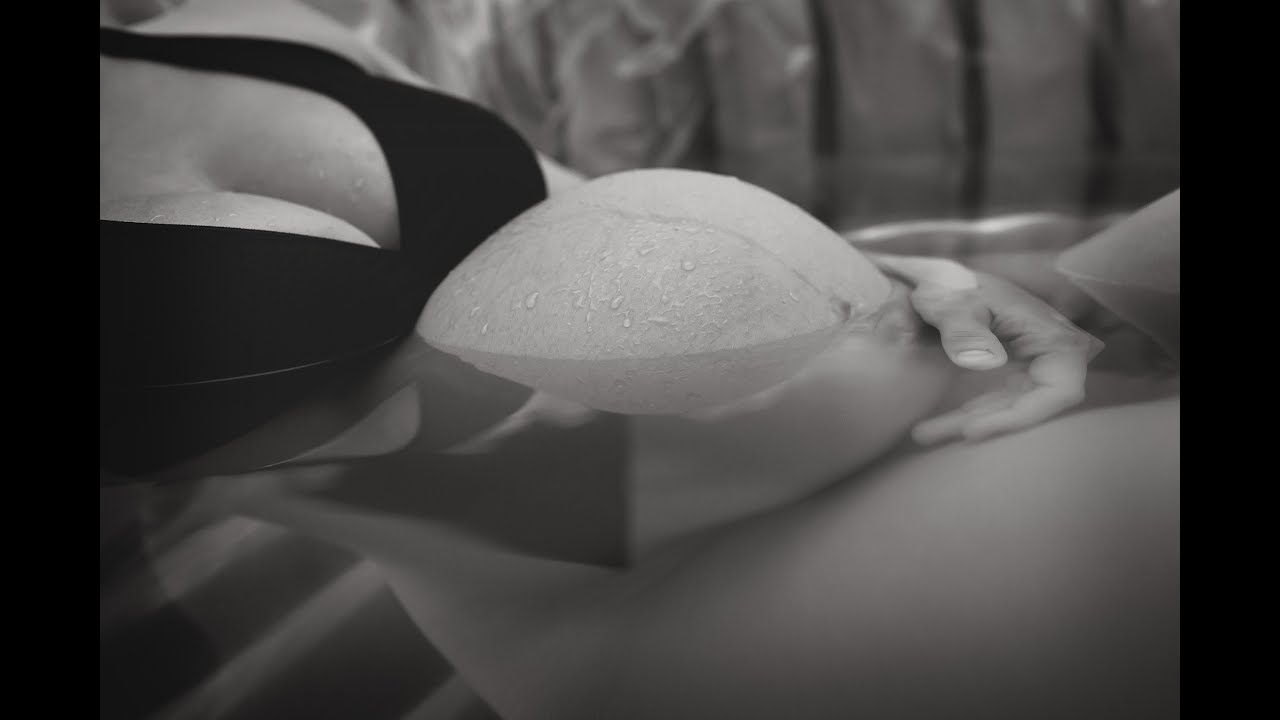
Waterbirth does not pose additional risk for morbidity and/or mortality in low-risk newborns compared to traditional birth methods, researchers report in a study published in early 2016. This is the first such comprehensive study in the USA focusing solely on waterbirths, with lead author Marit Bovbjerg, instructor of epidemiology at the College of Public Health and Human Sciences at Oregon State University. RESEARCH (click): Maternal and Newborn Outcomes Following Waterbirth: The Midwives Alliance of North America Statistics Project, 2004 to 2009 Cohort; Journal of Midwifery & Women’s Health; Volume 61, Issue 1, pages 11-20, January/February 2016
The findings indicate that waterbirth is a reasonably safe method of delivery, with few interventions, but we must be aware that the woman’s (and baby’s) condition must allow for it. We are therefore talking about low-risk pregnant women. The decision whether a woman will give birth in water or not must be made by the woman together with the healthcare provider (who manages her pregnancy and knows her) – either a doctor or a midwife in countries where midwives practice independently.
The study included more than 17,000 women who gave birth at home or in freestanding birth centers between 2004-2009. The vast majority also chose to have their birth attended by an independent midwife. Hospital births were excluded. Of these 17,000 women, 6,500 chose to give birth in water.
The authors found that waterbirth did not increase the number of required hospitalizations for newborns and/or mothers compared to women who did not choose waterbirth. They conclude that waterbirth does not carry any additional risks for newborn morbidity and/or mortality, the only thing they observed was a slightly higher risk of birth canal injuries for women.
Their results align with findings from research in other settings and contradict recently published clinical guidelines from ACOG (American College of Obstetricians and Gynecologists) / AAP (American Academy of Pediatrics).

Waterbirth in a Birth Center
https://www.youtube.com/watch?v=uvvuE2WrBs4
Waterbirth at Home (author Mesec maj)
https://vimeo.com/127384327
In Slovenia, there are two maternity hospitals (Murska Sobota and Postojna) where waterbirth has been available for some time. I have gathered information below from their websites, with links provided. Ptuj maternity hospital was also supposed to offer waterbirth from 2016, but so far nothing has been published on their website-> General Hospital Ptuj – Gynecology-Obstetrics Department (click).
You can also choose waterbirth at home with a selected independent midwife from Slovenia or abroad, or you can choose a birth center, which does not (yet) exist in Slovenia.
Waterbirth is suitable for healthy women whose pregnancy has progressed without complications and with labor starting at term. It is offered at the explicit request of the woman in labor, who has understood all the advantages, risks and contraindications of this method of birth in the prenatal classes. Pregnant women who have not attended prenatal classes are informed about the possibility of waterbirth upon admission.
Advantages: Warm water has a beneficial effect on the woman’s well-being, her relaxation, length of labor, elasticity of birth canal tissue (reduces the likelihood of tissue injury), reduces pain during contractions and the need for pain relief medication, and allows the baby a gentle arrival into the world.
Conditions:
- healthy pregnant woman
- labor starting between completed 38th week and completed 41st week of pregnancy
- fetal assessment normal
- contractions every 2-3 min, strong and appropriately long
- cervical dilation at 6 cm for first-time mothers, 4 cm for multiparous women
- woman in labor in water continuously for a maximum of 2 hours
- placental delivery on the delivery bed
at any stage of labor, labor continues on the delivery bed at the woman’s request.
Contraindications:
- labor starting before completed 38th or after 41st week of pregnancy
- breech presentation and other fetal positions where vaginal delivery is not possible
- multiple pregnancy (twins, triplets)
- abnormal fetal heart rate
- thick green amniotic fluid
- severe fetal growth restriction
- disproportion between the woman’s pelvis and fetal size
- pain relief during labor with epidural anesthesia
- labor induction with continuous intravenous infusion
- previous cesarean section
- low-lying placenta
- bleeding during labor or heavy bleeding in the third stage of labor during previous delivery
- diabetes in the pregnant woman
- low blood pressure in the pregnant woman
- high blood pressure, protein in urine and swelling in the pregnant woman
- infection in the pregnant woman with HIV, hepatitis B and C, Str. Agalactiae
- elevated body temperature in the pregnant woman
- neurological disorders in the pregnant woman
Possible Complications:
- increased risk of infection in the fetus and woman in labor
- water aspiration in the fetus
- embolism in the woman in labor
- bleeding in the woman in labor due to vasodilation
- labor arrest at the fetal shoulders
- possibility of injury to the woman in labor from slipping in the tub
The woman in labor must confirm with her signature that she has understood the conditions, advantages, contraindications and complications of waterbirth.

- Postojna Hospital – Obstetrics (click)
Procedure
The woman in labor who wishes to give birth in water must be healthy, and the pregnancy must progress without complications. If the obstetrician assesses that labor is not progressing as it should, the woman in labor is moved to the bed. For waterbirth, in addition to the usual tests, we also require testing for HIV and hepatitis B and C infection, as there is a greater risk of infection for the midwife and baby with this type of birth.
The hospital admission procedure is the same as for other women in labor, but it is good if the expectant parents attend prenatal classes before birth and become familiar with the waterbirth procedure. The expectant mother decides when she will enter the water and when she will leave it, but contractions must be regular and labor must be in progress. She is also free to decide whether she wants to be in the tub only until the baby is born or whether she wants to give birth underwater as well.
The water temperature in the tub is 36–37°C, with some table salt added. Waterbirth is more difficult to manage than conventional birth, so continuous monitoring of fetal status with cardiotocography is necessary.
After birth, the newborn is slowly lifted out of the water (head and face first) and placed on the mother’s chest, where it takes its first breath. If the newborn is not oxygen-deprived (not hypoxic), the breathing reflex is triggered when it comes into contact with air and with the sudden temperature change. This also prevents water aspiration, which we otherwise fear with this type of birth. To avoid the risk of water embolism in the mother, the mother delivers the placenta on the bed.Advantages
Warm water and massage, which relieve painful contractions, especially back pain, as well as high humidity in the air and the desired atmosphere – all these factors have an analgesic effect and thus reduce the use of additional pain relief medication. The woman in labor relaxes, the soft birth canal also relaxes, so there are fewer episiotomies (perineal incisions), and tears are also rarer.
Our experience with waterbirth is good, despite some concerns when introducing this method into obstetrics. Compared to conventional birth, there is no difference in the length of labor, and so far there have been no complications in either mothers or newborns.
If you wish to use the option of waterbirth, come for a consultation with the midwife and a tour of the water birth room one month before your expected due date. Prior appointment scheduling is not required.