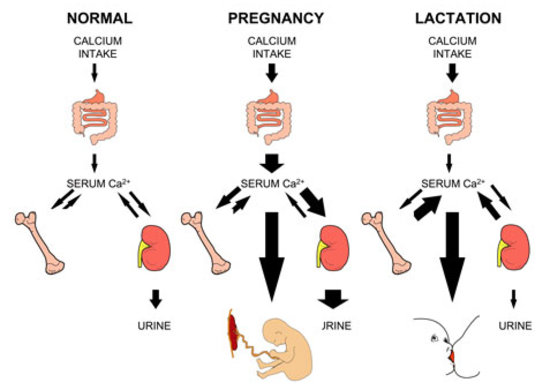
Research evidence shows that calcium helps prevent preeclampsia and preterm birth and reduces the risks and complications for women that can arise from (pre)high blood pressure in pregnancy. This is especially important for women who do not consume enough calcium per day.
- preeclampsia: is a pregnancy complication characterized by high blood pressure and protein in the urine. It is associated with high mortality rates for children and mothers worldwide
- preterm birth: is birth before the completion of 37 weeks of pregnancy
A review of 24 trials showed quality evidence that calcium in doses of at least 1 g per day during pregnancy (13 studies involving 15,730 women) is a safe and relatively inexpensive way to reduce the risk of preeclampsia, especially in women who do not consume calcium-rich foods. No harmful effects were identified, but further research is needed on the ideal daily calcium dose. Limited evidence from 10 trials (2,234 women) suggests that a relatively low dose may be effective, although 6 trials included other supplements such as vitamin D, linoleic acid, and antioxidants.
Calcium supplementation (≥ 1 g/day) is associated with a significantly lower risk of developing preeclampsia, especially in women who do not consume calcium-rich foods. It also reduces the possibility of preterm birth and other serious complications that may be associated with maternal mortality. These benefits outweigh the increased possibility of developing HELLP syndrome. The World Health Organization recommends 1.5-2 g of calcium per day for pregnant women with low dietary calcium intake.